Standing Waves Introduction (11:32)
|
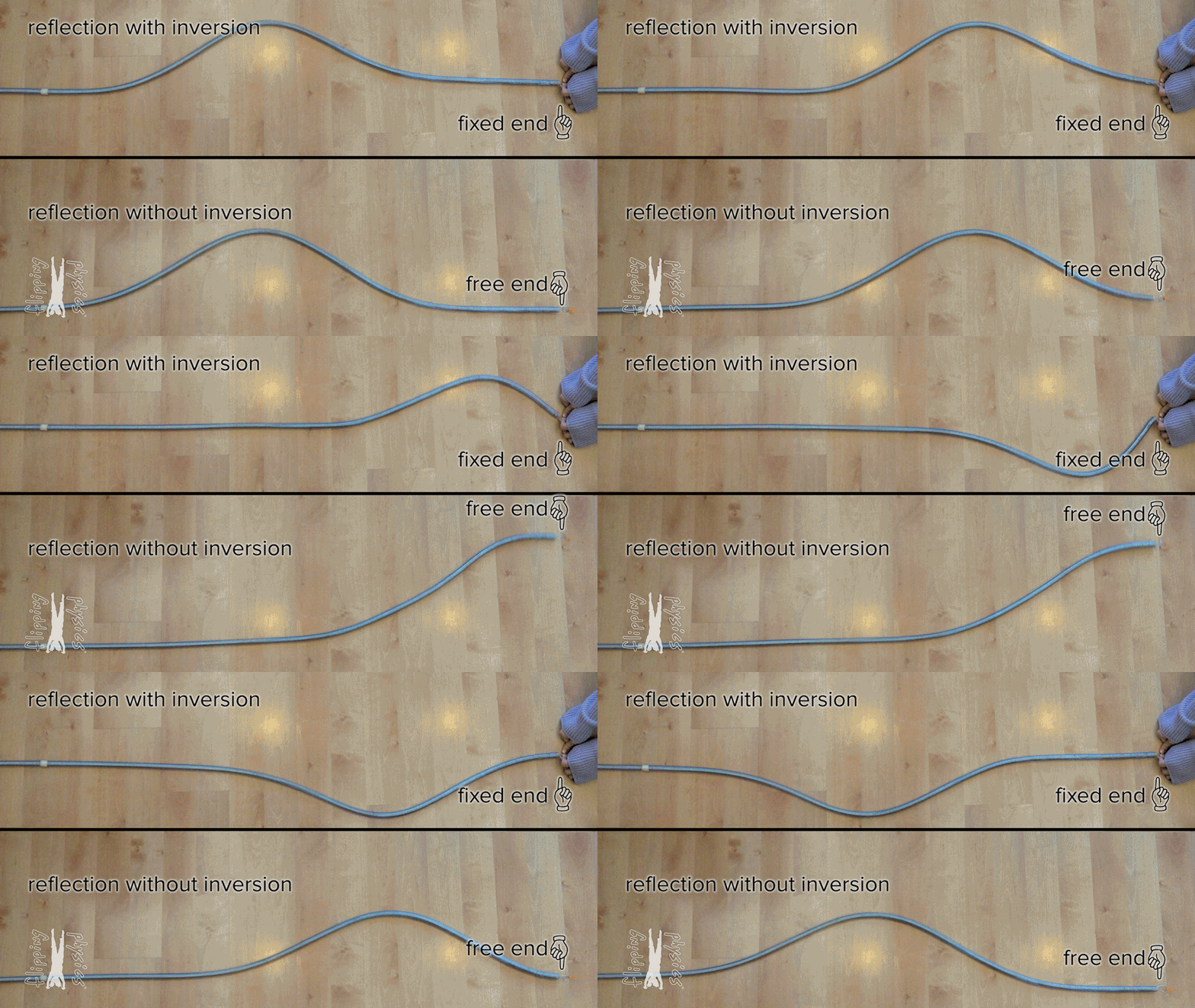
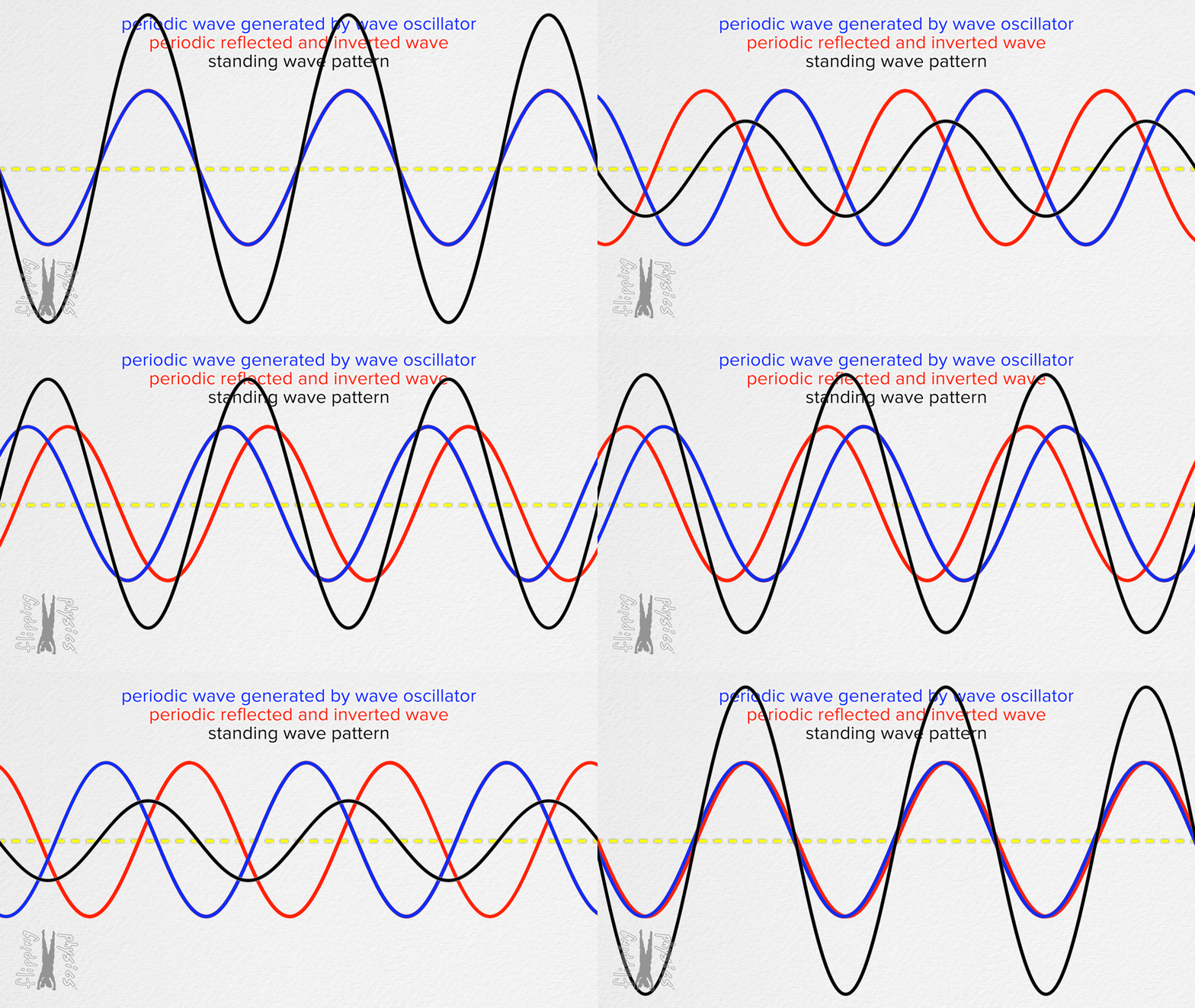
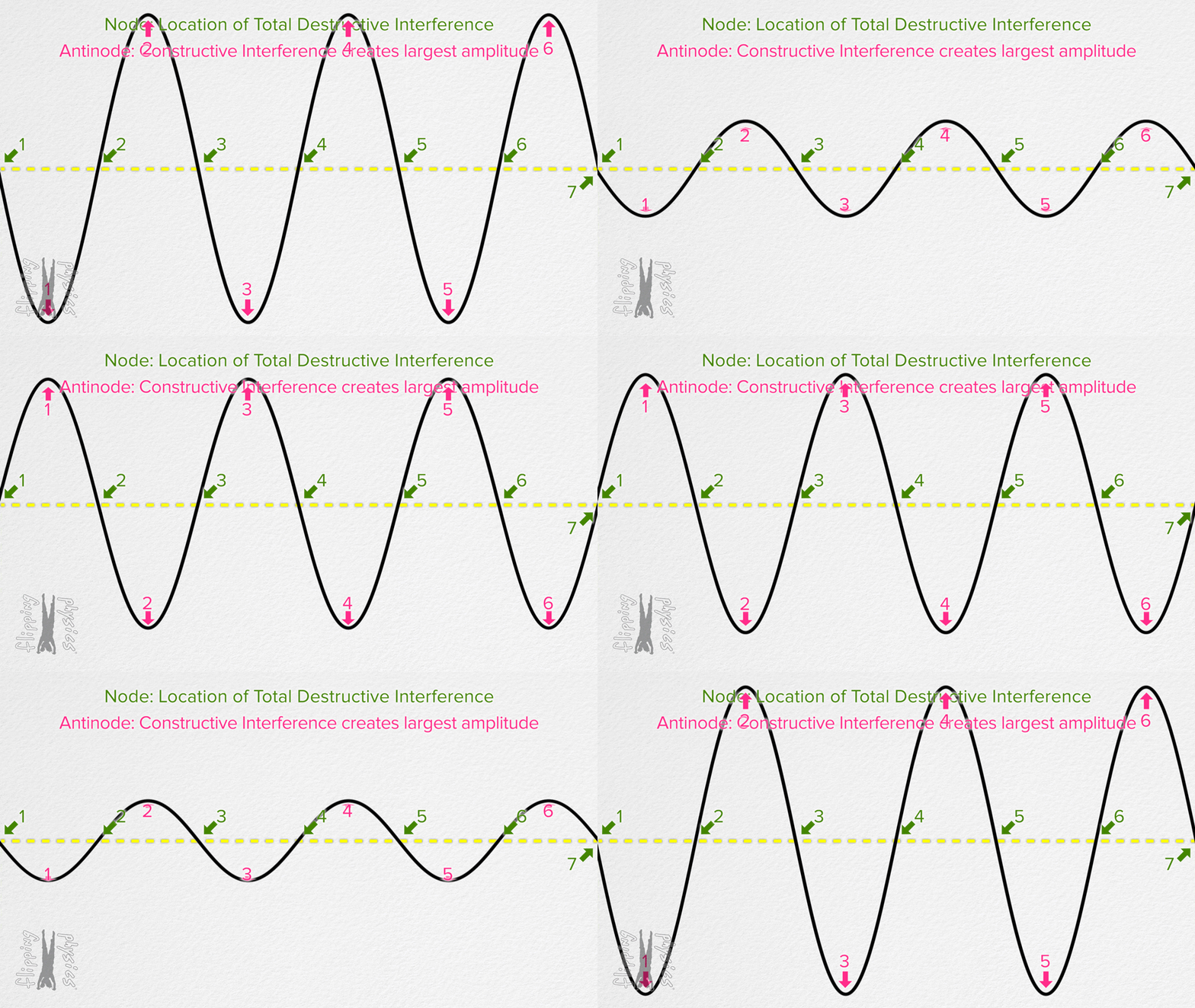
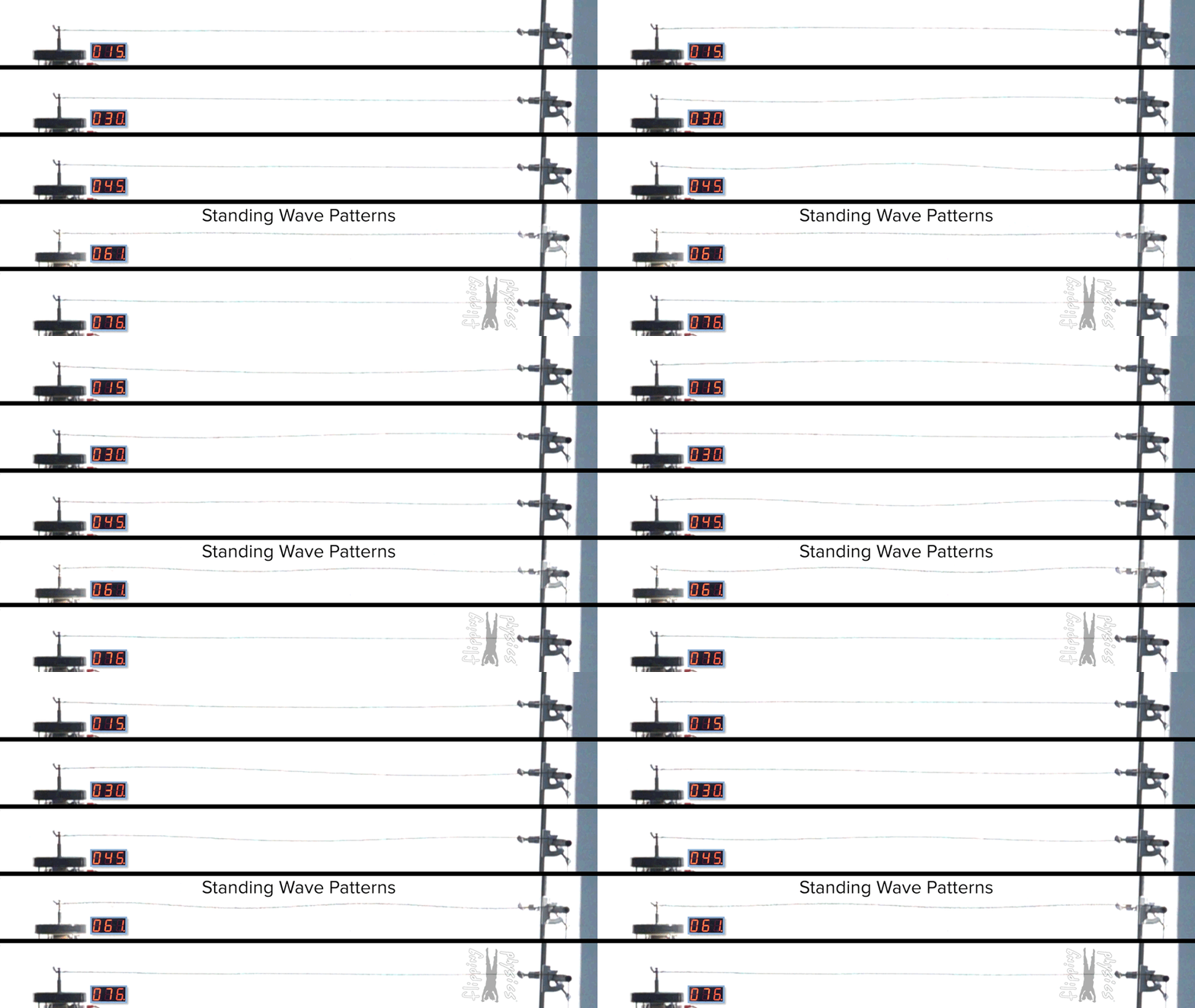
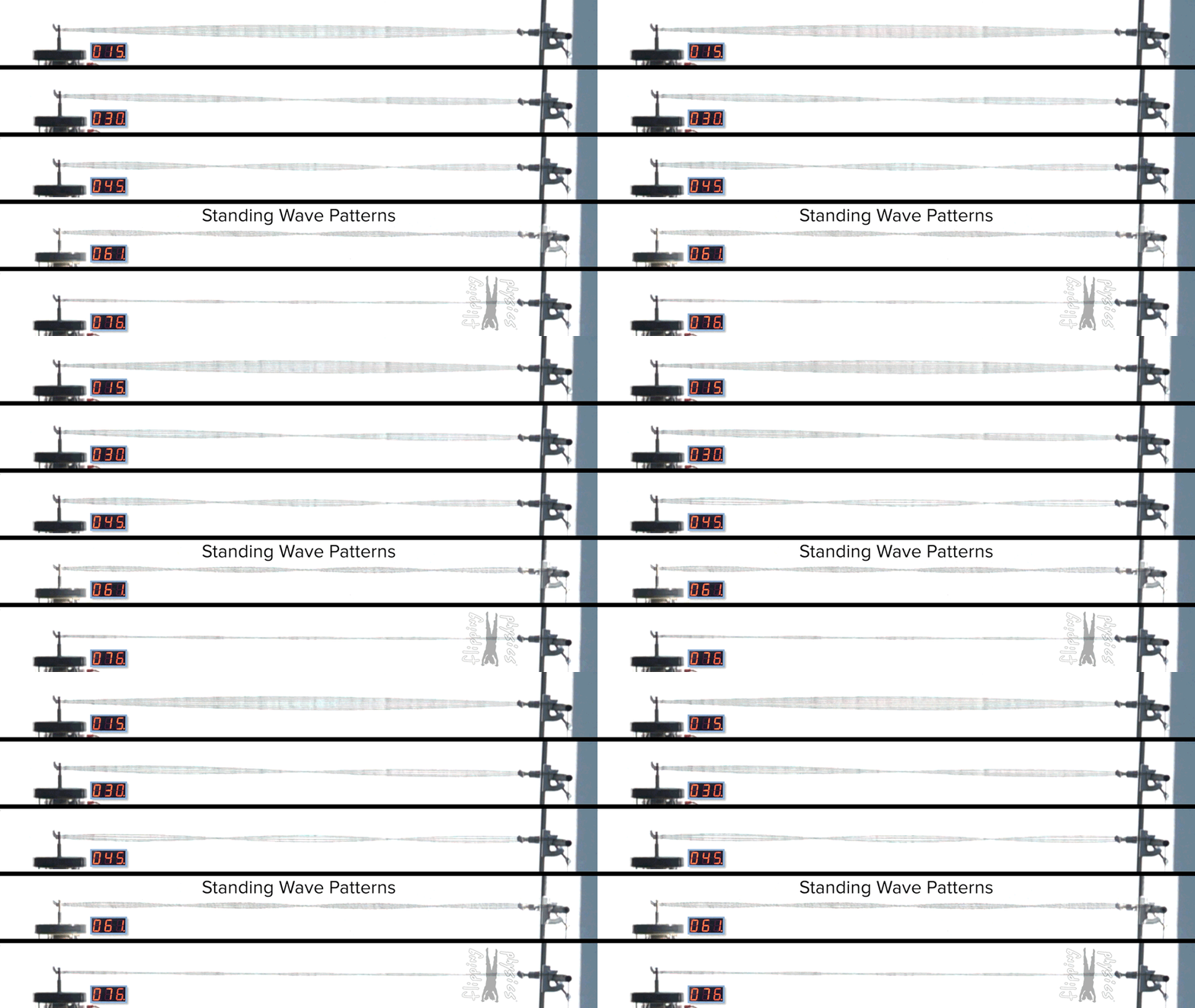
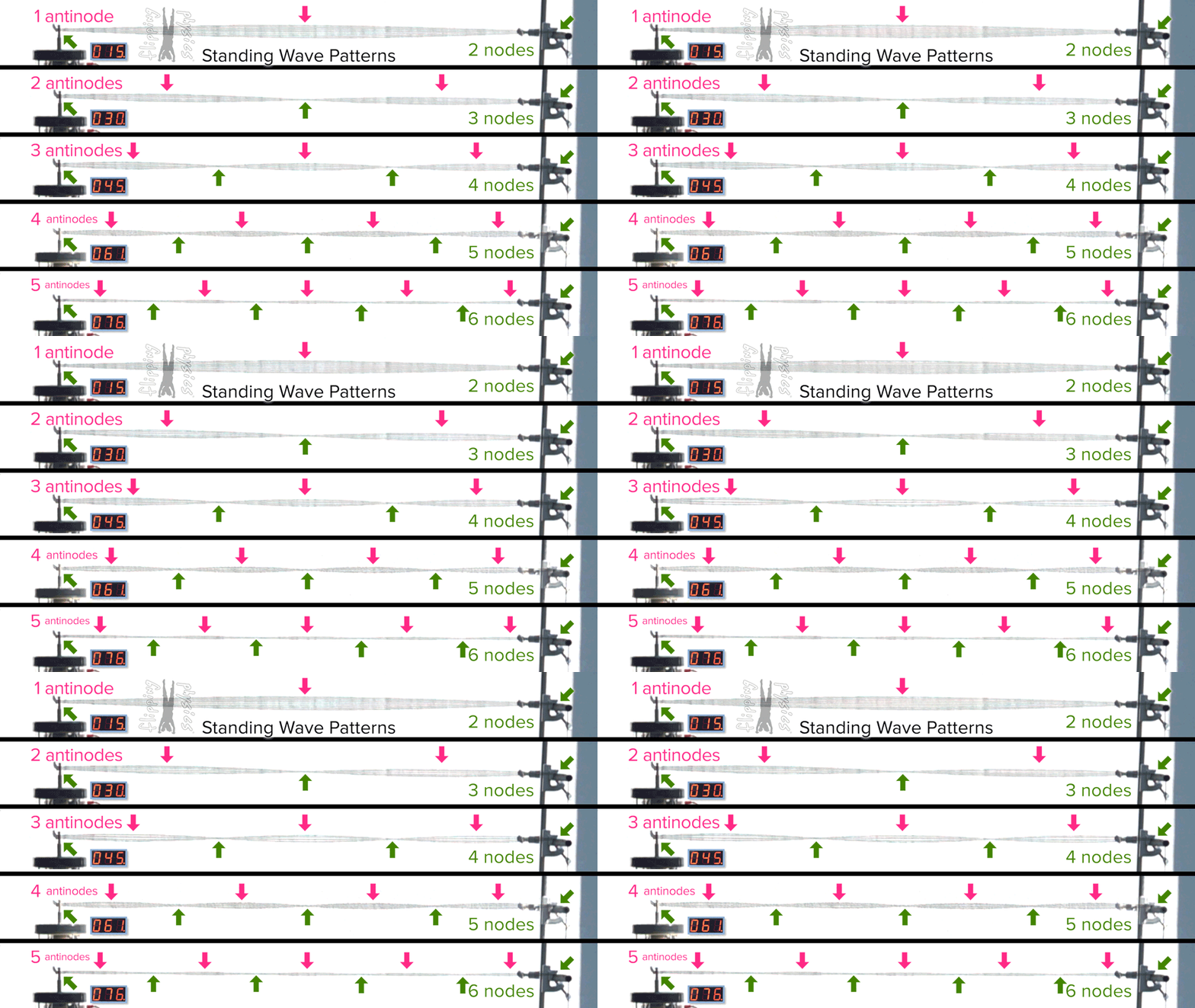
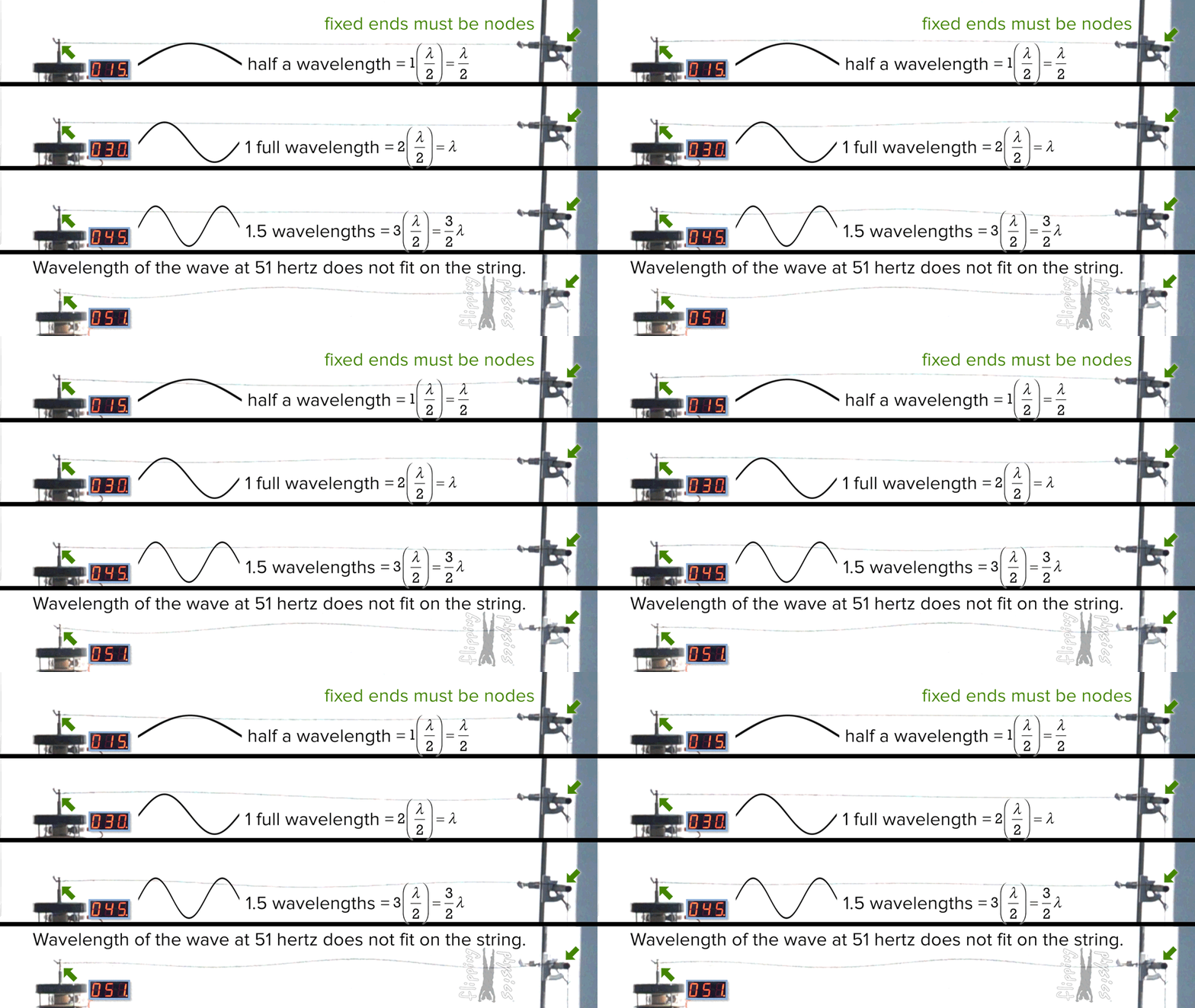
Reflection with and without inversion caused by fixed and free ends are demonstrated. Standing wave patterns at 5 different frequencies are demonstrated. A standing wave animation is shown to understand to how standing wave patterns are created. Nodes and antinodes are defined and demonstrated. This is an AP Physics 1 Topic.
Content Times: 0:02 Reflection with inversion due to a fixed end 0:29 Reflection without inversion due to a free end 1:00 The demonstration at 15 Hz 1:37 Why the Liquid Crystal Display (LCD) is flashing 2:16 The demonstration at 30 Hz 3:21 The 15, 30, and 45 Hz demonstrations all together 4:12 “Plucking” the string to visualize the wave pulses 4:40 The standing wave animation 7:39 Defining nodes and antinodes using the animation 8:15 Identifying nodes and antinodes in the demonstrations 9:36 Standing wave patterns only work at certain wavelengths |
|
- Multilingual? Please help translate Flipping Physics videos!
- Please support me on Patreon!
- Looking for the Mechanical Wave Driver?
- Thank you Scott Carter, Christopher Becke, and Dan Russell for being my Quality Control team for this video.
- Thank you to Kristie Webb for transcribing the English subtitles of this video.